
Commercial Refrigeration Repair
Walk-In Chiller Not Cooling: Diagnosis Guide for F&B Operators
Restaurant chiller not cooling? Triage steps to save your stock plus the four most common causes — refrigerant leak, compressor, condenser, defrost.
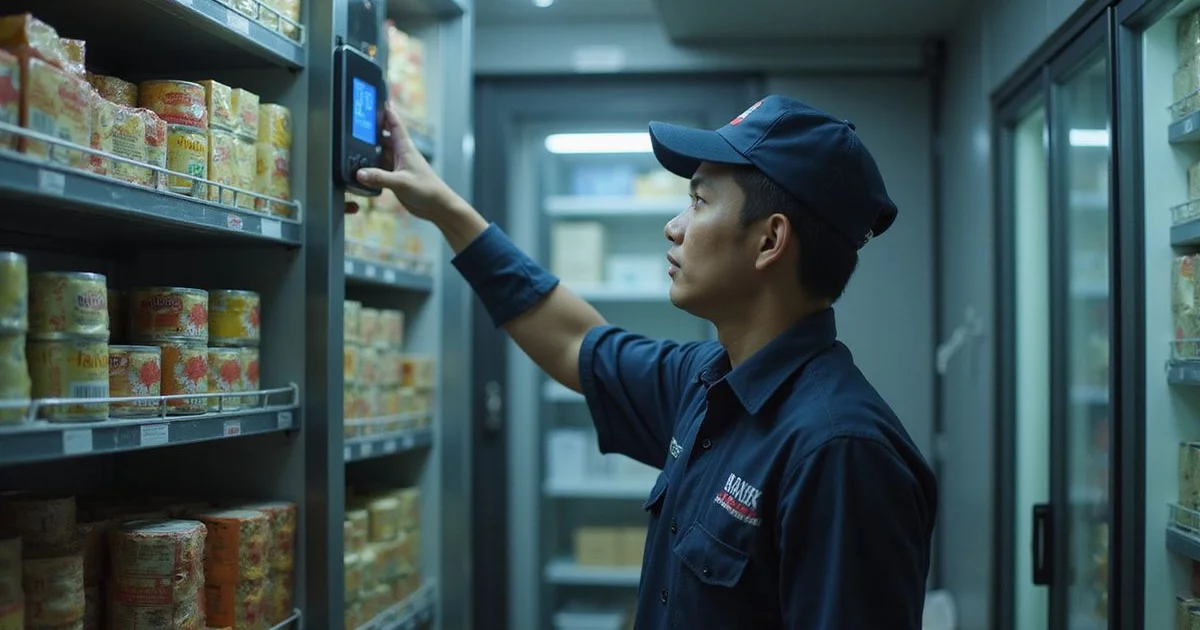
You know exactly how quickly a kitchen derails when the cold room drops out of range. That flashing red light on the panel means thousands of ringgit in stock is suddenly at risk.
We see this exact scenario across Petaling Jaya restaurants every week.
A walk in chiller not cooling correctly puts you instantly against the clock, fighting the Malaysia Ministry of Health food safety guidelines. The temperature danger zone of 5°C to 60°C becomes a massive liability within just two hours.
So, I am going to break down the immediate triage steps you must take to protect your inventory. I will walk you through the exact troubleshooting methods our team uses to find the fault fast.
Immediate Triage (Do This First)
Before you call us, run through these four quick checks. They give the technician better information and might even identify a simple fix you can handle immediately. We highly recommend gathering this diagnostic data first. This step prevents unnecessary delays upon arrival.
- Check the temperature display. A real number tells you how much the temperature has drifted from the set point. A flashing “EE” on a standard Dixell controller means a complete memory data failure, while “HA” signals a high-temperature alarm.
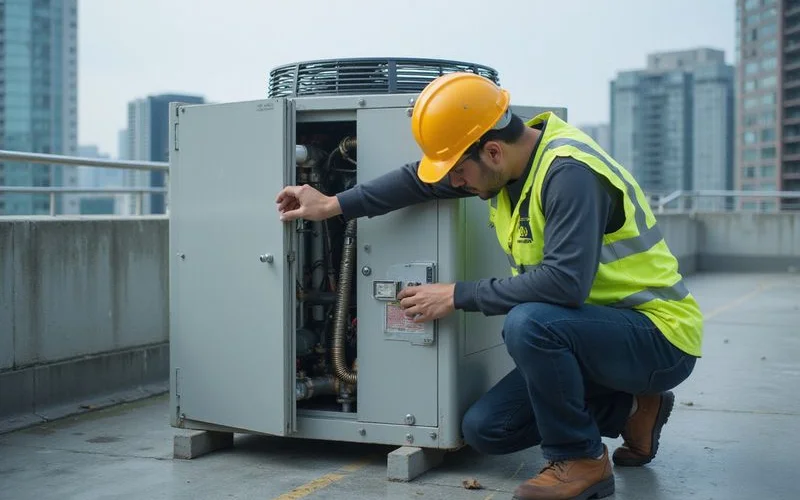
- Listen to the compressor. Walk out to the outdoor condenser unit on your rooftop or alleyway. A humming sound without the fan spinning means the start relay likely failed. Rapid clicking points to a thermal overload trip.
- Check the condenser fan. Stand near the unit and feel for air pulling through the coils. A dead fan combined with a running compressor ranks as the most common single-cause failure in Malaysian commercial kitchens.
- Inspect the door seal. Look for cracked gaskets or sagging hinges that let warm ambient air inside. A damaged seal compounds other cooling problems very quickly.
Send a quick WhatsApp message with your answers and a photo of the display panel. We can dispatch a 24/7 commercial response from our PJ team to your location. Typical arrival time is under 90 minutes.
The Save-the-Stock Playbook
Your immediate priority is keeping the doors shut and moving high-risk items to backup storage. Every minute counts when dealing with HACCP temperature danger zone regulations. We suggest following a strict protocol to buy yourself more time. This prevents unnecessary spoilage.
- Keep doors firmly closed. Every time you open the chiller door, you release a massive volume of cold air. Use this waiting period to mentally inventory your most valuable and shortest-shelf-life goods.
- Prioritise high-risk items. Raw meat, sliced fish, fresh dairy, and delicate patisserie cross the food-safety line first. Move these items immediately.
- Utilise backup cold storage. Transfer high-risk inventory to a secondary chiller, chest freezer, or commercial cool box. Packing items tightly together helps maintain the cold mass.
- Document the timeline carefully. Note the exact minute the temperature crossed 5°C. HACCP rules dictate that food kept above 5°C for more than two hours must be discarded.
A typical commercial walk-in unit with closed doors holds usable cold for about two to four hours after a compressor fails. This buffer depends entirely on your stock mass, ambient kitchen heat, and door seal integrity. We structure our service areas to fit comfortably within that safety buffer. Your business stays compliant thanks to a rapid 90-minute response time.
The Four Most Common Causes
Commercial chiller not cooling issues usually stem from a few specific component failures. Understanding these common faults helps you make faster repair decisions.
1. Refrigerant Leak
This ranks as the most common issue in the field. The refrigerant pressure drops below the minimum threshold, causing the system to trip on low-pressure protection. Sometimes the compressor runs continuously but simply cannot achieve any cooling effect.
We often find these leaks at service joints that have vibrated loose over time. Corrosion on the evaporator coil weld is another frequent culprit.
The repair process involves locating the leak with an electronic detector and fixing the joint. The technician then vacuums down the system and recharges it with the manufacturer-specified weight of gas, often R404A or R134a. Total visit time ranges from two to four hours depending on the leak’s severity.
2. Compressor Failure
A failed compressor is the most expensive repair your system will face. A unit shorting to ground or dealing with burned-out windings produces a running state with zero cooling. Field tests using an ammeter will confirm the excessive amperage draw.
Common signs that your compressor has fatally failed include:
- Tripped electrical breakers immediately upon startup
- Loud grinding noises coming from the outdoor unit
- A humming sound with zero temperature drop inside
Depending on your unit’s size, replacing a heavy-duty scroll or reciprocating compressor in Malaysia costs between RM1,500 and RM6,000. Brands like Copeland or Donper vary significantly in price. We always provide an honest assessment of whether the aging system justifies this massive replacement cost. Sometimes, replacing the entire condensing unit makes more financial sense.
3. Blocked or Failed Condenser
The refrigeration cycle cannot complete if the condenser fan motor fails. Heavy fouling on the condenser coils also stops the system from dumping heat outside. The symptoms look exactly like a refrigerant leak, but the diagnostic results point to a completely different fix.
A new condenser fan motor typically costs RM400 to RM800 to supply and fit. Heavy chemical cleaning for a neglected rooftop condenser usually runs RM200 to RM400.
We regularly perform both tasks during the same visit to restore maximum airflow. This combined service ensures the system breathes properly again.
4. Defrost System Fault
Automatic defrost cycles are vital for keeping the evaporator coil clear of frost in your cold room. The coil progressively ices over when the defrost timer or heater element fails. This creates a solid block of ice that completely blocks airflow, causing the cooling effect to collapse.
You can perform a quick visual diagnosis by checking these key areas:
- Open the door and look directly at the ceiling unit
- Check for heavy, visible frost buildup on the metal fins
- Feel for a severe lack of airflow coming from the internal fans
We fix this by replacing the faulty heater element or timer, which generally costs between RM350 and RM650. This affordable repair saves the compressor from fatal strain.
Cost-of-Downtime Math
Paying an after-hours emergency fee is almost always cheaper than replacing spoiled stock. A quick look at the numbers makes the financial reality very clear. We created this simple breakdown to help you decide. The arithmetic strongly favors immediate action.
| Item | Typical Value |
|---|---|
| Walk-in chiller stock at risk | RM1,500-RM5,000 |
| Compromised inventory (must discard if temp > 5°C for 2+ hours) | 60-100% of stock |
| Same-night emergency callout | RM280-RM450 |
| Standard repair (excluding callout) | RM500-RM2,500 |
| Lost revenue if next day operations affected | RM2,000-RM8,000 |
For most mid-size F&B operators in Damansara Uptown or SS2, paying the emergency fee saves massive amounts of stock. The decision protects your next day’s operations from total disaster.
After the Repair: Prevent the Next One
Deferred maintenance stands as the single biggest cause of sudden restaurant walk in cooler broken scenarios. Condenser fan motors that seize up at 11:00 PM usually exhibited elevated bearing temperatures for months beforehand. Small refrigerant leaks at vibrating joints are easily caught during routine pressure checks.
Defrost heater faults also show early warning signs through gradually increasing frost buildup. We strongly advocate for proactive care to catch these issues early. This is exactly why you need restaurant refrigeration maintenance contracts for your operation.
Our quarterly maintenance programs intercept these impending failures during a scheduled morning visit. Fixing a worn belt at 10:00 AM on a Tuesday is far cheaper than an emergency callout during your busy Friday dinner service.
Booking Emergency Service
Send a WhatsApp message to +60 14-850 9211 with four crucial pieces of information. This helps the duty technician prepare the right parts for your specific walk in fridge repair pj needs. We dispatch immediately based on your location. Please provide the following details:
- Current chiller temperature reading
- Rough estimate of the stock value at risk
- Visual and audio symptoms (running, silent, clicking, ice on coil)
- Your exact address
Response times typically average 90 minutes across SS2, Damansara Uptown, and Ara Damansara. We guarantee an ETA confirmation within five minutes of receiving your message. Keep your phone close by for our technician’s update, and get ready to have your kitchen back online.
Walk-In Chiller Not Cooling: Diagnosis Guide for F&B Operators — FAQs
How fast can you respond to a chiller emergency in PJ?
What temperature should a walk-in chiller hold?
Can I keep using the chiller while waiting for repair?
Related Guides
Cake Display Fridge Troubleshooting (Bakery and Cafe Owners)
Common faults in cake display chillers: glass condensation, uneven cooling, frost buildup, short-cycling. Quick checks before calling Chill Pro PJ.
Why Is My Commercial Freezer Tripping the Power?
Freezer keeps tripping the breaker? Common electrical faults: compressor short, starter relay, fan motor, defrost element, moisture intrusion.
Commercial Refrigerator Repair vs Replacement: Cost-of-Downtime Analysis
Should you repair or replace your commercial chiller? Age rules, energy-efficiency math, true cost of downtime for F&B operators.
Preventive Maintenance Contracts for Restaurant Refrigeration
What a real B2B refrigeration maintenance contract covers: monthly vs quarterly, HACCP documentation, cost-of-prevention math for F&B owners.
Ready to talk to a technician?
Need help with commercial refrigeration repair?
We are based in Taipan Damansara 2 — same-hour callout in Ara Damansara, same-day across PJ. Honest pricing, no upselling.