
AC Installation
What HP Aircon Do I Need? Room Sizing Guide for Malaysian Homes
Right-size your aircon for the Malaysian climate. HP-to-room-size table, factors that change the math, why oversizing wastes electricity.
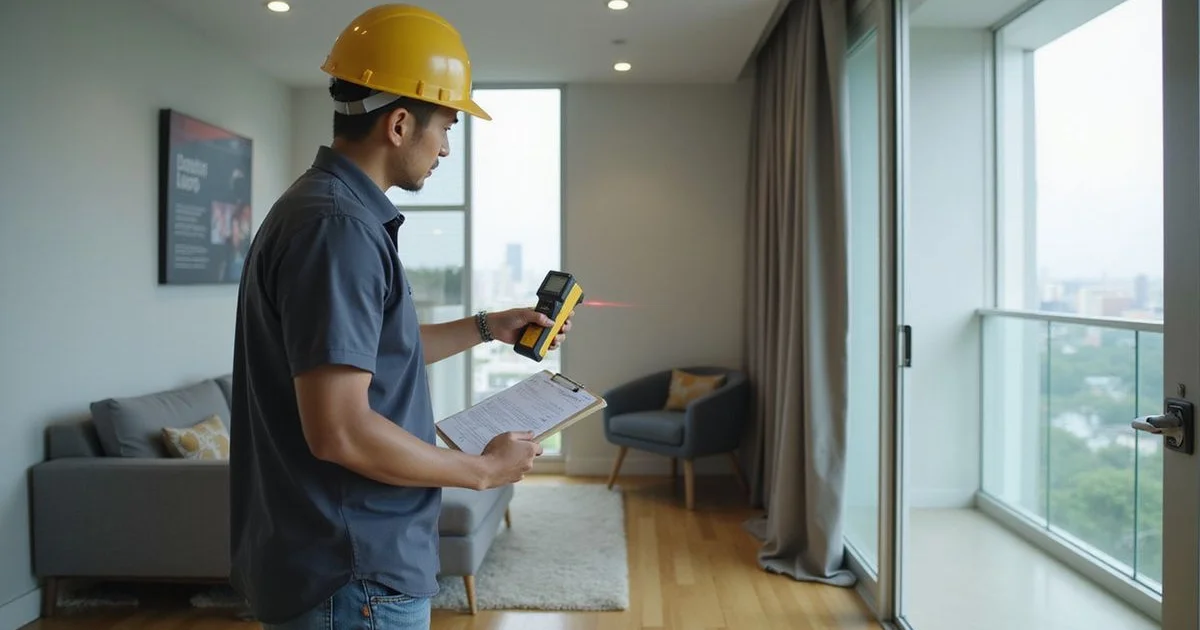
The Right HP for Your Room (Quick Table)
We frequently notice property owners guessing their cooling needs, resulting in uncomfortable spaces and expensive electricity bills. When determining the precise aircon hp size room malaysia residents need, guessing simply fails against intense local humidity. The numbers tell a much clearer story.
We will break down the exact sizing formula our technicians use daily.
You can use the baseline chart below to find your starting point.
Calibrated for the Malaysian climate, a standard ceiling height (2.7m / 9ft), and one to two occupants:
| Room Area (sqft) | Recommended HP | Estimated BTU/hr |
|---|---|---|
| Up to 100 (e.g. 10×10) | 1.0 HP | 9,000 BTU |
| 100-150 (e.g. 12×12) | 1.5 HP | 12,000 BTU |
| 150-220 (e.g. 14×16) | 2.0 HP | 18,000 BTU |
| 220-300 (e.g. 16×18) | 2.5 HP | 22,000 BTU |
| 300-400 (e.g. 18×22) | 3.0 HP | 24,000 - 28,000 BTU |
| Over 400 | Multi-unit or central split | 30,000+ BTU |
For aircon installation in PJ we adjust these baselines based on four crucial environmental factors. The table acts as your foundation. Your specific room might require a half-step higher or lower depending on the details below.
Four Factors That Change the Math
Finding the perfect unit requires looking past the simple floor plan. We always evaluate the three-dimensional space and the daily heat loads specific to your home. These four variables will dictate whether you should stick to the baseline or upgrade your capacity.
1. Ceiling Height
The baseline table assumes standard 2.7m (9-foot) ceilings typical in older terrace houses. Newer condos and renovated properties in Petaling Jaya frequently feature 3.3m to 3.6m (11 to 12-foot) ceilings. This extra height dramatically increases the total air volume your unit must cool.
We strongly recommend adding 0.5 HP for any ceiling exceeding 3 metres. Failing to account for vertical space forces the compressor to work continuously to cool the upper layers of warm air. A laser distance meter provides an exact floor-to-ceiling measurement if you are unsure of your exact dimensions.
2. Sun Exposure
West-facing rooms absorb intense direct solar radiation from 1 PM to 6 PM every day. Afternoon temperatures in the Klang Valley routinely hit 33 to 34°C during this window. Heat transfers directly through your concrete walls and glass windows, raising the required cooling load by 30 to 50 percent.
Our technicians suggest bumping up your unit by 0.5 HP for spaces with heavy western or northern sun exposure. Protected rooms facing east or shaded interior spaces can comfortably rely on the standard baseline sizing. A room that normally requires a 1.0 HP unit will need a 1.5 HP upgrade if it catches the late afternoon sun.
3. Occupant Count
Human bodies act as biological radiators inside enclosed spaces. An average adult sitting completely still generates about 100 watts of heat, which equals roughly 340 BTU per hour. A standard master bedroom housing two adults easily operates within the baseline calculations.
We see the math change drastically in crowded living rooms or shared children’s bedrooms. People frequently ask what hp aircon for bedroom spaces works best when three or more people share the room. A living space hosting five people adds an extra 1,700 BTU of thermal load just from body heat, meaning you should add 0.25 to 0.5 HP to your baseline.
4. Kitchen Heat Load
Open-concept layouts linking living areas to Malaysian-style wet kitchens introduce severe thermal challenges. Heavy cooking involving open gas flames and frequent wok use pushes up to 5,000 extra BTUs into your adjacent living spaces. The cooling unit must fight this sudden spike in temperature.
We advise upgrading by at least 0.5 HP for living rooms directly adjacent to active cooking zones. Installing a high-capacity kitchen extractor hood helps remove cooking heat at the source. The air conditioner will still need that extra buffer capacity to handle the residual heat transfer.
Why Oversizing Hurts You
Many buyers assume choosing a massive unit provides a harmless safety net. The actual reality proves the exact opposite. Oversized units suffer from a mechanical flaw called short-cycling.
The compressor blasts the room with cold air, reaches the target temperature in minutes, and shuts down abruptly. It then turns back on five minutes later when the room warms up. This erratic on-and-off operation creates three distinct problems for your home and wallet:
- Humidity levels remain high. A unit requires steady prolonged runtime to extract moisture from the air, but short cycles leave your room cool and damp. This pushes relative humidity above 60 percent and causes a cold, clammy feeling.
- Electricity bills spike. Compressors demand a massive surge of current every time they start up. Frequent start-ups burn significantly more power than a unit running at a steady pace.
- Mechanical parts fail faster. Each start-up sequence places heavy mechanical stress on the compressor. Accumulating hundreds of extra cycles per day drastically reduces the total lifespan of your equipment.
We prioritize right-sizing because it allows the machine to run steadily and dehumidify properly. A correctly sized unit uses less electricity over its lifespan and avoids premature breakdowns. Accuracy matters far more than raw cooling power.
Why Undersizing Also Hurts
Installing a machine that lacks sufficient power creates a completely different set of expensive problems. An undersized unit runs continuously without ever reaching its resting state. The system constantly fights a losing battle against the heat.
We frequently encounter this issue during the 34°C afternoon peaks. The user sets the remote to 23°C, but the struggling machine can only pull the room down to 26°C. Two major consequences follow:
- Comfort is never achieved. The room stays warm, prompting the user to lower the set temperature further. The compressor runs endlessly without ever satisfying the thermostat.
- Utility penalties trigger. Running a compressor at maximum load 24/7 consumes massive amounts of electricity, easily pushing your monthly consumption past the 1,500 kWh threshold. Crossing this line under the current TNB July 2025 tariff structure moves your billing from the 27.03 sen base rate to the punitive 37.03 sen per kWh block.
Local data shows undersizing is the most common mistake made by property buyers. Owners try to save money on the initial purchase price, only to pay double in long-term electricity and repair costs. The sustained thermal stress eventually burns out the compressor years before its time.
Inverter vs Non-Inverter Sizing
Inverter technology changes the sizing rules by operating at a variable capacity. These smart units can throttle their output down to 40 or 50 percent of their maximum rating when the room reaches the target temperature. This flexibility provides a much higher tolerance for slight sizing mismatches.
We almost always recommend inverter units for residential spaces in Petaling Jaya. A 1.5 HP inverter manages a slightly oversized room beautifully because it simply dials back its power to maintain steady dehumidification. Non-inverters lack this gear-shifting ability and will just short-cycle.
The Suruhanjaya Tenaga (Energy Commission) updated the Minimum Energy Performance Standards (MEPS) on January 1, 2026. The new strict star-rating system makes choosing an efficient inverter even more critical. The 20 to 30 percent higher upfront cost pays for itself through TNB savings within two to four years of regular use.
Multi-Room and Multi-Unit Considerations
Cooling three or more rooms requires choosing between individual standalone units or a connected network system. Your decision impacts your exterior aesthetics, maintenance costs, and daily operational flexibility.
We help clients evaluate three primary installation paths:
- Multiple single-split units: Each room gets one indoor blower and one dedicated outdoor compressor. This remains the most cost-effective and easily repairable option for standard homes.
- Multi-split systems: Brands like Daikin and Panasonic allow connecting up to four indoor units to a single large outdoor compressor. This saves valuable balcony space in tight condos, though a single compressor failure disables cooling for all connected rooms.
- Central ducted systems: A massive outdoor unit pushes chilled air through hidden ceiling ducts. This premium aesthetic choice makes sense for brand-new bungalow builds, but retrofitting remains incredibly disruptive.
Local installation tracking shows that multiple single-split units work best for the vast majority of terrace houses and semi-Ds. The independent reliability usually outweighs the slight visual clutter of having multiple outdoor boxes.
Get a Real Sizing Survey
Using a basic aircon size calculator malaysia template provides a helpful starting point, but it cannot replace a physical site inspection. A professional assessment catches the hidden thermal loads that basic formulas miss.
We provide a free Chill Pro site survey across the Petaling Jaya area to eliminate the guesswork.
Professional technicians evaluate your space using precise metrics to guarantee the perfect fit. A typical visit includes:
- Precise room dimension mapping using laser distance meters
- Sun exposure analysis covering window size, orientation, and natural shading
- Occupant count and daily usage pattern assessments
- Thermal mapping of adjacent heat sources like wet kitchens or server racks
- Clear recommendations on HP sizing, equipment brands, and installation budgets
You can WhatsApp +60 14-850 9211 to schedule your free survey today. If you want to compare specific equipment options before booking, our Daikin vs Panasonic vs Mitsubishi guide breaks down the exact performance differences between the top Malaysian brands.
What HP Aircon Do I Need? Room Sizing Guide for Malaysian Homes — FAQs
What HP aircon do I need for a 12x12 bedroom in PJ?
Is bigger HP always better?
Can you survey my room before quoting?
Related Guides
How Much Does Aircon Installation Cost in Malaysia by HP? (2026)
Real installation prices by HP (1.0-2.5), what is included in a proper install, common hidden costs, and what cheap quotes skip.
Choosing Between Daikin, Panasonic, Mitsubishi and Acson
Brand-by-brand comparison for Malaysian buyers: energy rating, warranty, parts availability, inverter performance, typical price.
Ready to talk to a technician?
Need help with ac installation?
We are based in Taipan Damansara 2 — same-hour callout in Ara Damansara, same-day across PJ. Honest pricing, no upselling.